Kitchen Remodeling: Why Working with a General Contractor Matters
A kitchen renovation is one of the most practical upgrades a homeowner can make when the layout, storage, lighting, and finish selections are planned correctly. It can improve how the space functions on a daily basis, update the overall appearance of the home, and contribute to long-term property value. Because of the complexity involved, working with an experienced general contractor plays a key role in achieving a successful outcome.
Improving Functionality and Design
A kitchen remodel provides the opportunity to reconfigure the layout and improve how the space is used. Adjustments to appliance placement, storage solutions, and work areas can make everyday tasks more efficient. Features such as custom islands, improved cabinetry, and updated lighting contribute to a kitchen that is easier to use and better suited to the homeowner’s lifestyle.
In addition to functionality, remodeling allows for a complete update of the kitchen’s appearance. Material selections such as cabinetry styles, countertops, and backsplashes can be coordinated to create a cohesive design. A general contractor helps guide these decisions to ensure that the final result aligns with both practical needs and visual preferences.
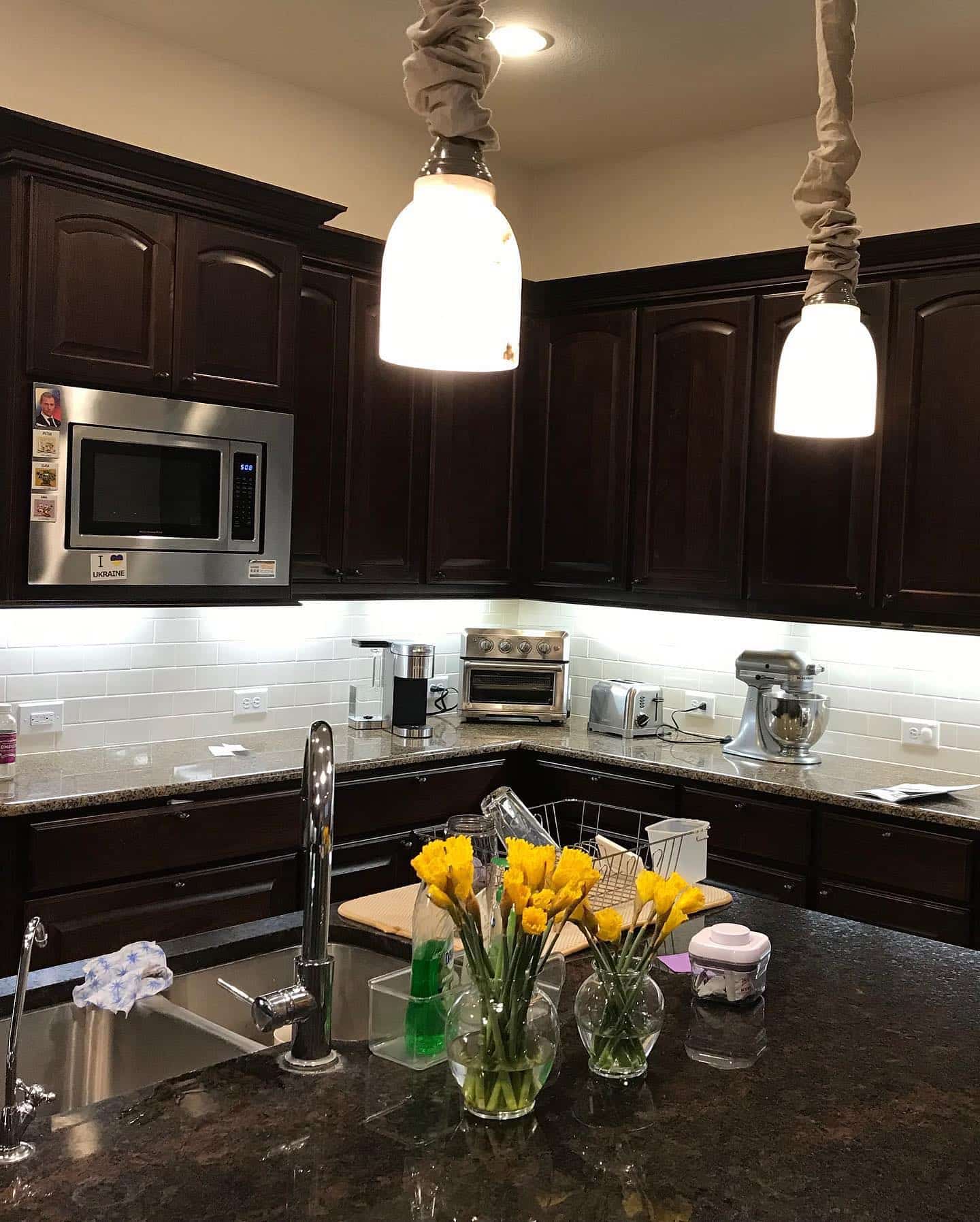
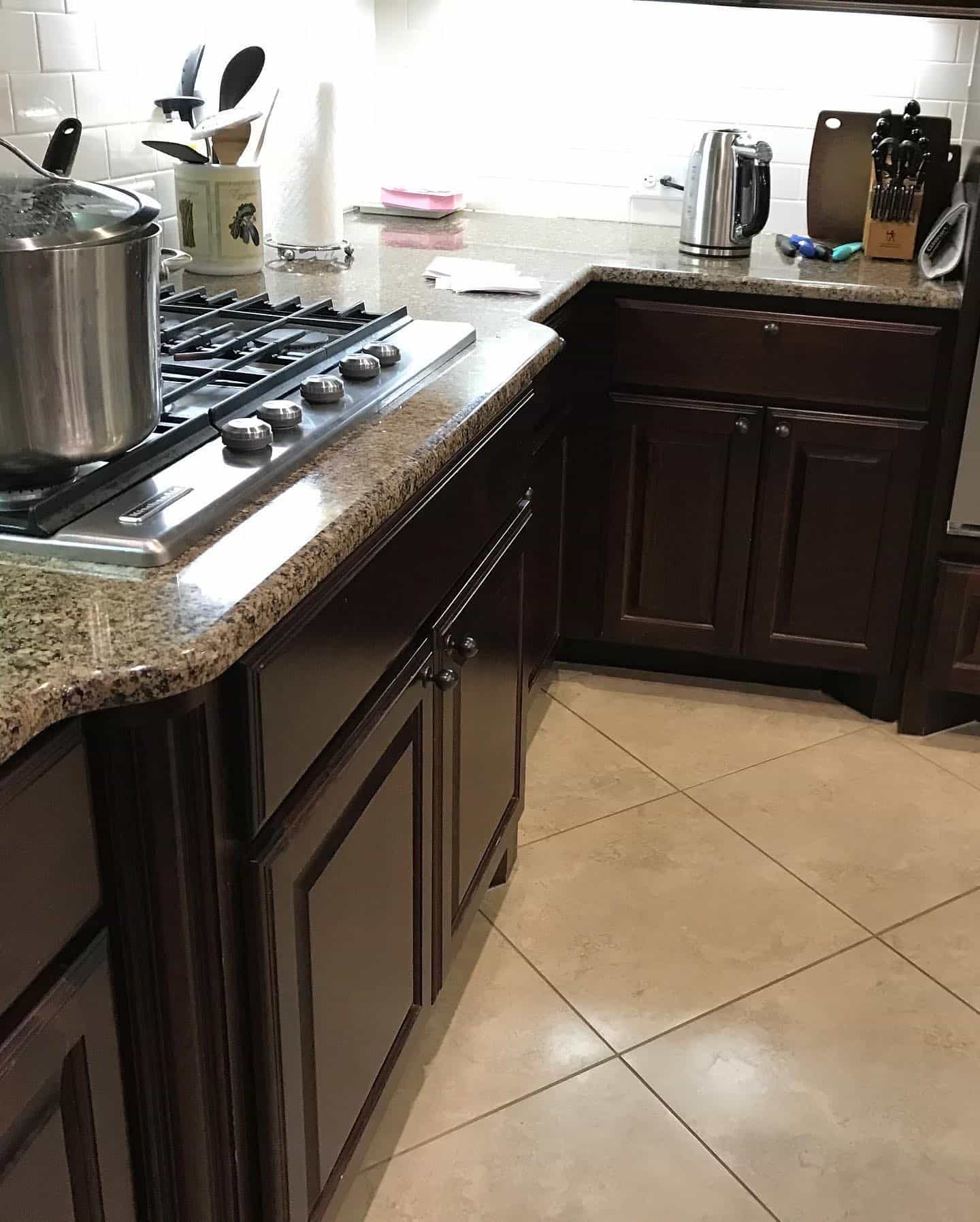
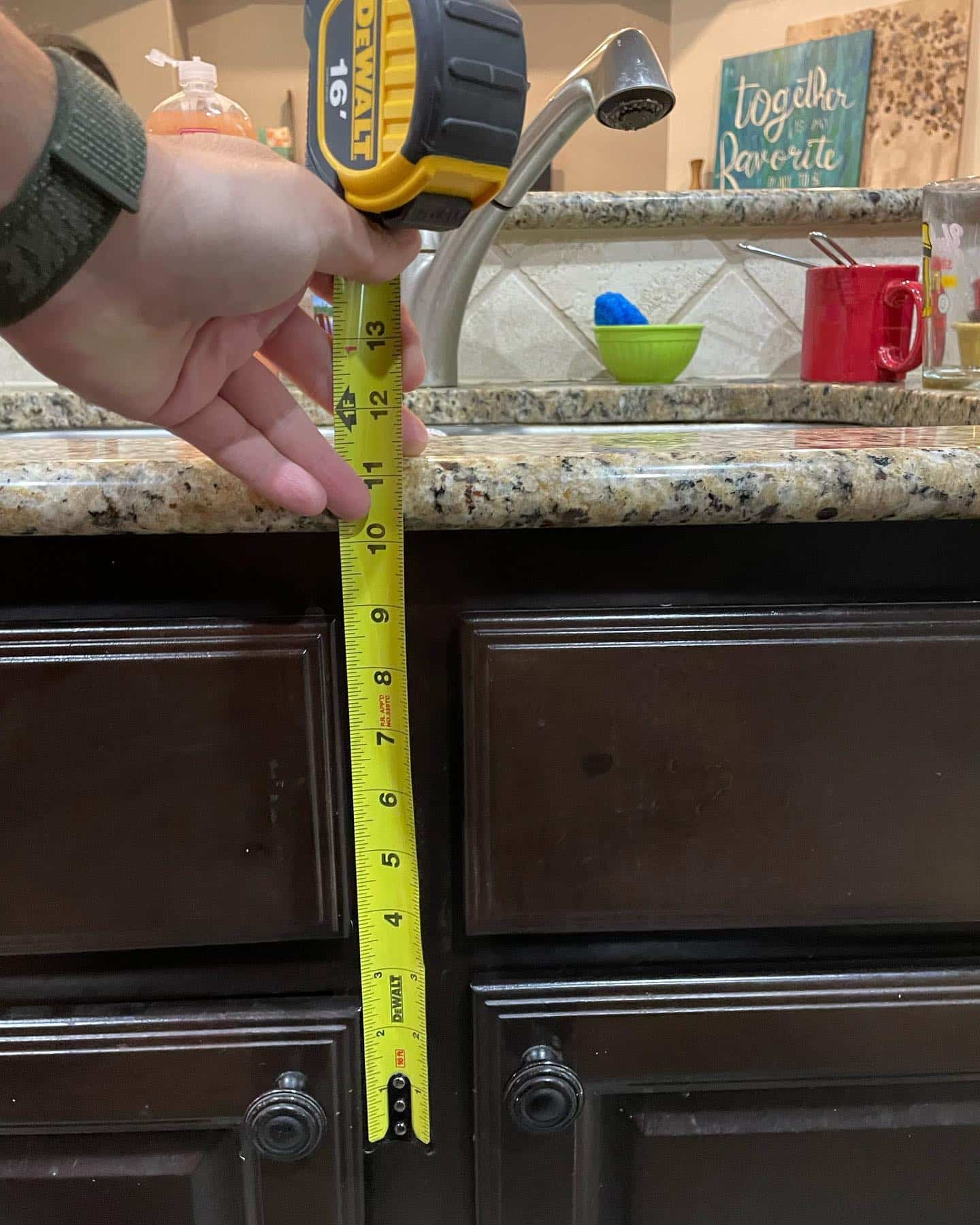
New KitchenOld kitchen
Adding Value to the Home
Kitchen renovations are often considered one of the most valuable home improvements. An updated kitchen can make a property more attractive to potential buyers and may contribute to a higher resale value. Even for homeowners not planning to sell immediately, investing in a well-designed kitchen can improve the long-term appeal of the home.
A professionally managed renovation helps ensure that the improvements are completed to a standard that supports both durability and marketability.
Professional Experience and Project Coordination
Kitchen remodeling involves multiple phases, including design, demolition, structural adjustments, electrical work, plumbing, and finish installation. Coordinating these components requires experience and careful planning.
A general contractor oversees the entire process, managing schedules, coordinating subcontractors, and ensuring that each stage of the project is completed correctly. Their familiarity with local building requirements and construction practices helps avoid delays and ensures compliance with applicable standards.
Working with a contractor also provides access to a network of skilled trades, including electricians, plumbers, and carpenters, all of whom contribute to the final result.
Managing Time and Budget
Without proper planning, remodeling projects can exceed both the expected timeline and budget. A general contractor develops a structured plan that outlines each phase of the project and helps keep work progressing efficiently.
Cost control is another important aspect of project management. Contractors often have established relationships with suppliers and can help identify materials that balance quality and budget. They can also advise homeowners on where to invest and where to simplify selections to maintain overall cost control.
For example, when managing kitchen remodels in areas like Conroe, it is common to review current supplier pricing and available promotions to help homeowners make informed decisions on materials and appliances.
A Structured Approach to Kitchen Renovation
A well-executed kitchen remodel requires coordination, technical knowledge, and attention to detail. By working with a qualified general contractor, homeowners can reduce uncertainty and ensure that each stage of the renovation is handled properly.
Conclusion
A kitchen remodel can significantly improve both the usability and appearance of a home. With the guidance of an experienced general contractor, the process becomes more organized, efficient, and predictable. From initial planning to final installation, professional oversight helps ensure that the finished kitchen meets expectations for quality, functionality, and long-term performance.